
Build the right treatment train for your facility
Share your wastewater characteristics, capacity and target water quality with Green Dimension’s environmental engineering team.
You are about to navigate to an external website. Please note that we are not responsible for the content, privacy policy, or security of third-party websites.
Electrocoagulation is an advanced electrochemical wastewater treatment technology used to remove suspended solids, oils, grease, colour, heavy metals and complex industrial contaminants. Green Dimension applies electrocoagulation within modular treatment systems designed for industrial wastewater treatment, water recovery and effluent reuse applications.
Electro-oxidation uses controlled electrical reactions to oxidise dissolved contaminants, disinfect wastewater and break down difficult organic compounds. The technology can support COD reduction, odour control, pathogen destruction, heavy-metal oxidation and the treatment of refractory industrial wastewater streams.
Electrochemical advanced oxidation processes generate highly reactive oxidants within the treatment system to degrade persistent and non-biodegradable contaminants. EAOP technologies are suited to chemical, pharmaceutical, refinery and industrial wastewater requiring intensive oxidation, detoxification and final effluent polishing.
Hybrid electrocoagulation and electro-oxidation combines contaminant separation with advanced oxidation in an integrated treatment process. The system can remove suspended matter, oils, metals and colour while degrading dissolved organic pollutants to improve industrial wastewater recovery and reuse.
Electrochemical disinfection generates disinfecting species directly within water to control bacteria, viruses, algae and other microorganisms. It can be integrated into industrial water treatment, wastewater recycling, cooling systems and final effluent polishing while reducing dependence on externally supplied disinfecting chemicals.
Advanced oxidation processes generate highly reactive hydroxyl radicals capable of breaking down persistent organic contaminants, colour, odour and refractory COD. Green Dimension integrates AOP technologies into industrial wastewater treatment systems requiring enhanced oxidation, detoxification and high-quality treated water.
Hybrid advanced oxidation processes combine multiple oxidation mechanisms to improve the degradation of difficult contaminants. These engineered systems are suitable for highly polluted industrial effluents containing complex organics, colour, odour, pharmaceuticals, hydrocarbons and other compounds resistant to conventional biological treatment.
Catalytic oxidation accelerates the breakdown of persistent organic pollutants through controlled oxidation reactions supported by catalysts. It can be applied to industrial wastewater, chemical effluents, refinery wastewater and other streams where conventional biological treatment cannot achieve the required contaminant reduction.
Ozone oxidation is used for disinfection, colour removal, odour control and the oxidation of dissolved organic and inorganic contaminants. Ozonation can be deployed as a pre-treatment, post-treatment or polishing stage within industrial water and wastewater treatment systems.
UV oxidation combines ultraviolet energy with oxidants to degrade organic pollutants and improve disinfection. It is used in industrial water treatment, wastewater reuse and final polishing applications where low residual contamination and enhanced microbial control are required.
Photocatalytic oxidation uses light-activated catalysts to break down persistent organic pollutants in contaminated water. The technology can support the treatment of chemical, pharmaceutical, textile and other industrial effluents containing compounds that are difficult to remove through conventional processes.
Acoustic and hydrodynamic cavitation technologies create high-energy microenvironments that enhance oxidation, mixing and contaminant breakdown. They can be integrated with advanced oxidation, electrochemical and biological processes to improve the treatment of difficult industrial wastewater.
Dissolved air flotation separates oils, grease, suspended solids and biological flocs from wastewater using fine air bubbles. DAF systems are widely applied in food processing, poultry, dairy, refinery, industrial wastewater and sludge-thickening applications.
Induced air flotation uses mechanically introduced air to separate oil, grease and suspended contaminants from industrial wastewater. It is particularly suitable for oily wastewater, refinery effluent, produced water and industrial liquid waste requiring efficient solids and hydrocarbon separation.
Coagulation and flocculation destabilises suspended and colloidal contaminants so they can be separated through clarification or flotation. The process is commonly integrated into industrial wastewater treatment for turbidity reduction, colour removal, solids separation and downstream process protection.
Chemical precipitation converts dissolved contaminants into separable solids through controlled chemical reactions. It is used for heavy-metal removal, phosphorus reduction, hardness control and the treatment of industrial wastewater containing dissolved inorganic pollutants.
pH neutralisation systems safely adjust acidic or alkaline wastewater to a controlled treatment range. They are applied across chemical, manufacturing, metal-finishing and industrial facilities to protect downstream processes, meet discharge requirements and improve treatment performance.
Activated carbon adsorption removes dissolved organic compounds, odour, colour and residual contaminants from treated water. Granular activated carbon systems are commonly used for industrial wastewater polishing, water reuse, advanced treatment and final effluent quality improvement.
Multimedia filtration uses graded layers of filtration media to remove suspended solids and turbidity from water and wastewater. It is typically used as a pre-treatment or polishing stage before activated carbon, membrane treatment, water reuse or discharge.
Cartridge and bag filtration provide compact removal of fine suspended particles from industrial water and wastewater. These systems can protect downstream equipment, improve treated-water quality and support modular, containerised and mobile treatment applications.
Ultrafiltration uses membrane separation to remove suspended solids, colloids, microorganisms and high-molecular-weight contaminants. UF systems can support industrial water reuse, wastewater recycling, reverse-osmosis pre-treatment and high-quality process-water production.
Nanofiltration provides selective membrane separation of dissolved organics, hardness, colour and multivalent ions. It can be integrated into industrial wastewater recovery, water recycling, desalination and specialised contaminant-removal systems.
Reverse osmosis removes dissolved salts and contaminants to produce high-quality treated water for industrial reuse and process applications. Green Dimension integrates RO within multi-stage treatment systems designed around site-specific water quality and recovery requirements.
The activated sludge process uses microorganisms and controlled aeration to reduce biodegradable organic pollutants in wastewater. It is widely used in municipal, commercial and industrial treatment plants and can be optimised or upgraded to improve BOD, COD and nutrient removal.
MBBR systems use mobile biofilm carriers to provide a high surface area for biological wastewater treatment. The technology offers compact treatment, stable performance and adaptability for industrial wastewater, sewage, plant upgrades and increased organic loading.
Membrane bioreactor technology combines biological treatment with membrane separation to produce high-quality treated water. MBR systems are suitable for wastewater recycling, industrial reuse, compact treatment plants and applications requiring low suspended solids and reliable microbial removal.
SBR technology performs biological treatment, clarification and discharge within a controlled batch process. It is suited to variable wastewater flows, industrial facilities, remote sites, labour camps and compact treatment systems requiring operational flexibility.
Anaerobic treatment uses microorganisms in oxygen-free conditions to reduce high concentrations of biodegradable organic matter. It is suitable for high-strength food, beverage, agricultural and industrial wastewater and may support biogas generation and sludge reduction.
Bioaugmentation introduces selected microorganisms into wastewater treatment systems to improve the degradation of difficult organic contaminants. It can enhance biological treatment performance, support process recovery and reduce COD, odour, sludge and specific industrial pollutants.
Biostimulation enhances existing microbial activity by optimising nutrients, oxygen and environmental conditions. The approach can support wastewater treatment, contaminated soil remediation, groundwater remediation and the biodegradation of hydrocarbons and organic pollutants.
Bioremediation uses naturally occurring or selected microorganisms to degrade pollutants in contaminated soil, groundwater, sludge and wastewater. It can be deployed in situ or ex situ for hydrocarbon contamination, organic pollutants and environmental restoration projects.
Accelerated biodegradation converts organic waste into stabilised, value-added outputs through controlled microbial fermentation and drying. The technology can process poultry waste, slaughterhouse waste, food waste, fish waste, agricultural residues, sludge and other biodegradable materials.
Sludge thickening concentrates wastewater solids before dewatering, treatment or disposal. The process reduces sludge volume, improves downstream handling and can be integrated with flotation, gravity separation and mechanical sludge-management systems.
Sludge dewatering removes water from industrial and biological sludge to reduce volume, transportation requirements and disposal costs. Green Dimension can integrate mechanical dewatering equipment into wastewater, sludge-treatment and resource-recovery systems.
Oil-water separation technologies recover free and emulsified hydrocarbons from industrial wastewater and sludge. Systems can incorporate physical separation, flotation, electrocoagulation, thermal processes and polishing treatment depending on the characteristics of the waste stream.
Industrial water recycling treats wastewater to a quality suitable for reuse within production, cleaning, cooling or utility operations. Green Dimension develops integrated treatment systems that reduce freshwater consumption, wastewater discharge and long-term operational costs.
Water reuse systems recover treated wastewater for irrigation, industrial processes, washing, cooling and other non-potable applications. Each solution is designed around the required reuse standard, source-water characteristics and site-specific operating conditions.
Zero liquid discharge systems maximise water recovery while converting residual dissolved contaminants into concentrated brine or solid residues. ZLD can support industrial facilities facing discharge restrictions, water scarcity, high disposal costs or complex wastewater-management requirements.
High-temperature incineration provides controlled thermal destruction and neutralisation of medical, biological, chemical and industrial waste. Systems can incorporate automated loading, secondary combustion, flue-gas treatment and heat-recovery components based on the waste characteristics and regulatory requirements.
Rotary kiln incineration is designed for the high-temperature treatment of hazardous waste, chemical waste, oil sludge and materials with variable moisture content. Continuous rotation improves waste exposure, combustion efficiency and ash discharge.
Plasma-assisted pyrolysis and gasification uses high-energy thermal processes under controlled oxygen conditions to decompose waste and recover usable energy or materials. The technology can be applied to medical, industrial, hazardous and municipal waste streams.
Thermal decomposition and carbonisation convert suitable waste streams into recoverable oil, gas, carbon-rich solids and recyclable materials. Applications can include plastics, rubber, textiles, sludge, industrial residues and other carbon-containing waste.
Thermal desorption applies controlled heat to separate volatile and semi-volatile contaminants from soil, sludge and industrial solids. It can support hydrocarbon recovery, contaminated-site remediation and the treatment of petroleum-affected materials.
Stabilisation and solidification reduce the mobility of hazardous contaminants by binding waste into a more stable physical and chemical form. The process can support the safe handling, transport and disposal of contaminated soil, ash, sludge and industrial residues.
Medical waste sterilisation uses controlled thermal or steam-based processes to disinfect infectious healthcare waste before further processing or disposal. It can support hospitals, laboratories, clinics and medical facilities requiring compliant treatment of regulated waste.
Wet and dry flue-gas cleaning systems remove particulates, acid gases and other pollutants from thermal treatment emissions. They are engineered according to waste composition, treatment temperature, required emission limits and the selected incineration or pyrolysis process.
Containerised treatment plants integrate treatment equipment, controls, pumps and auxiliary systems within transportable units. They provide rapid deployment for industrial sites, remote facilities, pilot projects, temporary treatment and emergency wastewater-management requirements.
Skid-mounted and modular treatment systems provide scalable, pre-engineered solutions that can be installed with reduced site construction. They are suitable for industrial wastewater, water reuse, sludge treatment, pilot testing and phased capacity expansion.
Laboratory treatability studies evaluate wastewater characteristics and determine the most effective treatment combination before full-scale implementation. Testing can assess electrodes, chemical conditions, oxidation demand, filtration requirements, sludge generation and expected treatment performance.
Pilot treatment plants validate treatment performance under real operating conditions before full-scale deployment. Green Dimension uses pilot systems to optimise process parameters, demonstrate achievable results and define the most efficient industrial treatment configuration.
Process automation and control systems integrate instrumentation, PLCs, dosing, pumps, alarms and real-time monitoring to improve treatment reliability. Automated operation supports consistent water quality, reduced manpower requirements and efficient management of industrial treatment plants.
Produced water treatment removes oil, suspended solids, dissolved contaminants, bacteria and scale-forming minerals from oilfield wastewater. Green Dimension designs multi-stage systems for discharge, reinjection, process reuse or further water recovery based on the characteristics of each produced-water stream.
Refinery wastewater treatment addresses oil, grease, hydrocarbons, phenols, sulphides, suspended solids and difficult organic contaminants generated by petroleum-processing operations. Treatment solutions may combine separation, flotation, electrochemical treatment, oxidation, biological treatment and polishing.
Spent caustic treatment addresses highly alkaline, odorous and chemically complex refinery waste streams containing sulphides, phenols, organic acids and high COD. Green Dimension develops integrated treatment approaches for sulfidic, cresylic and naphthenic spent caustic.
Oily sludge treatment separates and recovers oil, water and solids from refinery sludge, tank bottoms, separator sludge and contaminated pits. Treatment can combine thermal separation, mechanical processing, electrochemical treatment and final residue management.
Tank bottom sludge treatment recovers hydrocarbons and reduces the volume of water and contaminated solids generated during storage-tank cleaning. Site-specific systems can support oil recovery, sludge separation, wastewater treatment and compliant residue disposal.
Flowback water treatment removes suspended solids, hydrocarbons, bacteria, metals and scale-forming constituents from water returned during oil and gas operations. Modular systems can support reuse, disposal or further desalination depending on water chemistry and project requirements.
Bilge and MARPOL wastewater treatment separates oil, fuel residues, suspended matter and contaminants from marine and port-generated liquid waste. Treatment may combine oil-water separation, flotation, electrocoagulation, filtration and polishing.
Poultry wastewater treatment addresses blood, feathers, fats, proteins, suspended solids, nutrients and high organic loading generated by poultry farms and processing facilities. Treatment systems may combine screening, flotation, biological treatment, electrocoagulation and sludge management.
Poultry waste treatment converts manure, feathers, offal and other organic residues into stabilised or recoverable outputs. Solutions can include accelerated biodegradation, composting, rendering support, wastewater treatment, odour control and regulated disposal.
Slaughterhouse wastewater treatment removes blood, fats, grease, suspended solids, nutrients and high concentrations of biodegradable organic matter. Green Dimension develops integrated treatment systems for abattoirs, meat-processing plants and livestock facilities.
Dairy wastewater treatment addresses milk residues, fats, cleaning chemicals, suspended matter and high BOD and COD generated by dairy-processing operations. Treatment may incorporate equalisation, flotation, biological treatment, filtration and water reuse.
Food-processing wastewater treatment manages variable organic loading, fats, suspended solids, nutrients and cleaning chemicals generated by production facilities. Green Dimension designs modular systems for compliant discharge, water reuse and operational cost reduction.
Fish and seafood waste treatment addresses oils, proteins, suspended solids, odour and biodegradable residues generated by processing facilities, fish markets and aquaculture operations. Solutions can combine wastewater treatment, accelerated biodegradation and organic-resource recovery.
Beverage-industry wastewater treatment handles sugars, product losses, cleaning chemicals, suspended solids and variable organic loading. Treatment systems can support discharge compliance, wastewater recycling and reuse within non-product-contact operations.
Agricultural wastewater treatment and reuse systems manage wash water, livestock effluent, organic contamination and suspended solids. Treated water may be recovered for irrigation, pen washing or other appropriate agricultural applications.
Chemical wastewater treatment addresses variable pH, high COD, dissolved salts, toxic compounds, colour and refractory contaminants. Green Dimension develops tailored multi-stage solutions using electrochemical, oxidation, physical, chemical and biological technologies.
Petrochemical wastewater treatment removes hydrocarbons, dissolved organics, suspended solids, sulphides, phenols and process chemicals. Treatment systems are designed around the specific production process, contaminant profile and required discharge or reuse standard.
Polymer and resin waste treatment addresses process wastewater, wash water, off-specification materials and organic residues generated during polymer production. Solutions may incorporate oxidation, separation, filtration, thermal treatment and resource recovery.
Solvent recovery systems separate and reclaim usable solvents from industrial liquid waste, reducing raw-material consumption and hazardous waste volumes. Recovery processes are selected according to solvent composition, boiling points, contamination levels and required recovered-product quality.
Hospital wastewater treatment addresses pathogens, pharmaceuticals, disinfectants, organic matter and laboratory contaminants generated by healthcare facilities. Advanced treatment can combine biological processes, electrochemical oxidation, filtration and disinfection.
Pharmaceutical wastewater treatment targets active pharmaceutical ingredients, solvents, high COD and biologically resistant compounds. Green Dimension integrates advanced oxidation, electrochemical treatment, biological processes and polishing technologies for complex pharmaceutical effluents.
Laboratory wastewater treatment manages small-volume but highly variable liquid waste containing chemicals, reagents, metals and biological contaminants. Modular systems can provide neutralisation, separation, oxidation, filtration and controlled discharge.
Medical and clinical waste treatment provides collection, sterilisation, thermal neutralisation and compliant disposal of infectious, pathological and regulated healthcare waste. Treatment solutions are selected according to waste classification, volume and regulatory requirements.
Landfill leachate treatment addresses high COD, ammonia, colour, suspended solids, dissolved salts, metals and refractory organic contaminants. Green Dimension develops multi-stage systems combining biological, electrochemical, oxidation, membrane and polishing technologies.
Municipal solid waste processing integrates sorting, recycling, organic-waste treatment, material recovery, thermal treatment and final-residue management. Solutions can support landfill diversion, resource recovery and circular-economy objectives.
Construction dewatering treatment removes suspended solids, turbidity, hydrocarbons, metals and site contaminants from water generated during excavation and infrastructure projects. Mobile and containerised systems can provide rapid on-site treatment before discharge or reuse.
Industrial and remote camp wastewater treatment provides compact sewage treatment for worker accommodation, construction camps and isolated facilities. Packaged systems can combine biological treatment, filtration and disinfection for discharge or non-potable reuse.
Textile wastewater treatment removes dyes, colour, surfactants, suspended solids, salts and refractory organic contaminants. Treatment may combine electrocoagulation, advanced oxidation, biological treatment, adsorption, membrane filtration and water recovery.
Paint and coating wastewater treatment removes pigments, suspended solids, binders, solvents, metals and colour from production and equipment-washing effluents. Treatment can include coagulation, electrocoagulation, flotation, oxidation and sludge dewatering.
Printing and ink wastewater treatment addresses intense colour, pigments, solvents, suspended solids and high COD. Green Dimension develops tailored treatment systems combining separation, electrochemical treatment, advanced oxidation, filtration and sludge management.
Pulp and paper wastewater treatment addresses fibres, suspended solids, colour, lignin compounds and high organic loading. Integrated treatment systems can combine screening, clarification, biological treatment, advanced oxidation and water recycling.
Metal-finishing wastewater treatment removes dissolved metals, acids, alkalis, suspended solids and process chemicals generated by plating, surface treatment and component washing. Treatment commonly includes pH adjustment, precipitation, electrocoagulation, filtration and sludge management.
Mining wastewater treatment removes suspended minerals, metals, acidity, alkalinity and process chemicals from mine water and mineral-processing effluent. Modular treatment systems can support discharge compliance, water reuse and resource recovery.
Heavy-metal removal technologies target dissolved and suspended metals such as iron, copper, nickel, chromium, zinc, lead and aluminium. Treatment may combine precipitation, electrocoagulation, adsorption, filtration and membrane separation.
Cooling tower blowdown treatment removes suspended solids, hardness, dissolved salts, bacteria and scale-forming minerals. Treated blowdown may be recovered for reuse, reducing freshwater demand and wastewater discharge from industrial cooling systems.
Boiler blowdown treatment recovers water from high-temperature streams containing dissolved solids and treatment chemicals. Integrated cooling, separation, filtration and membrane processes can support water recovery and reduced discharge.
Industrial process water treatment produces water with the quality required for manufacturing, washing, cooling, boiler feed and specialised production processes. Systems are designed around source-water chemistry and the specific operational requirements of each facility.
Hydrocarbon-contaminated soil remediation treats soil affected by crude oil, fuels, lubricants and petroleum residues. Solutions may include excavation, separation, bioremediation, thermal desorption, stabilisation and long-term environmental monitoring.
Groundwater remediation removes or contains dissolved contaminants affecting subsurface water. Green Dimension can integrate pumping, treatment, filtration, adsorption, oxidation and biological remediation according to site conditions and contaminant characteristics.
Industrial spill and site-cleanup services address releases of oil, chemicals, sludge and hazardous materials. The response can include containment, recovery, contaminated-material removal, wastewater treatment, remediation and compliant disposal.
Try a broader term or contact our engineering team to discuss a specialised treatment requirement.
ENVIRONMENTAL SOLUTIONS Solving Saudi Arabia's Most Complex Environmental Challenges
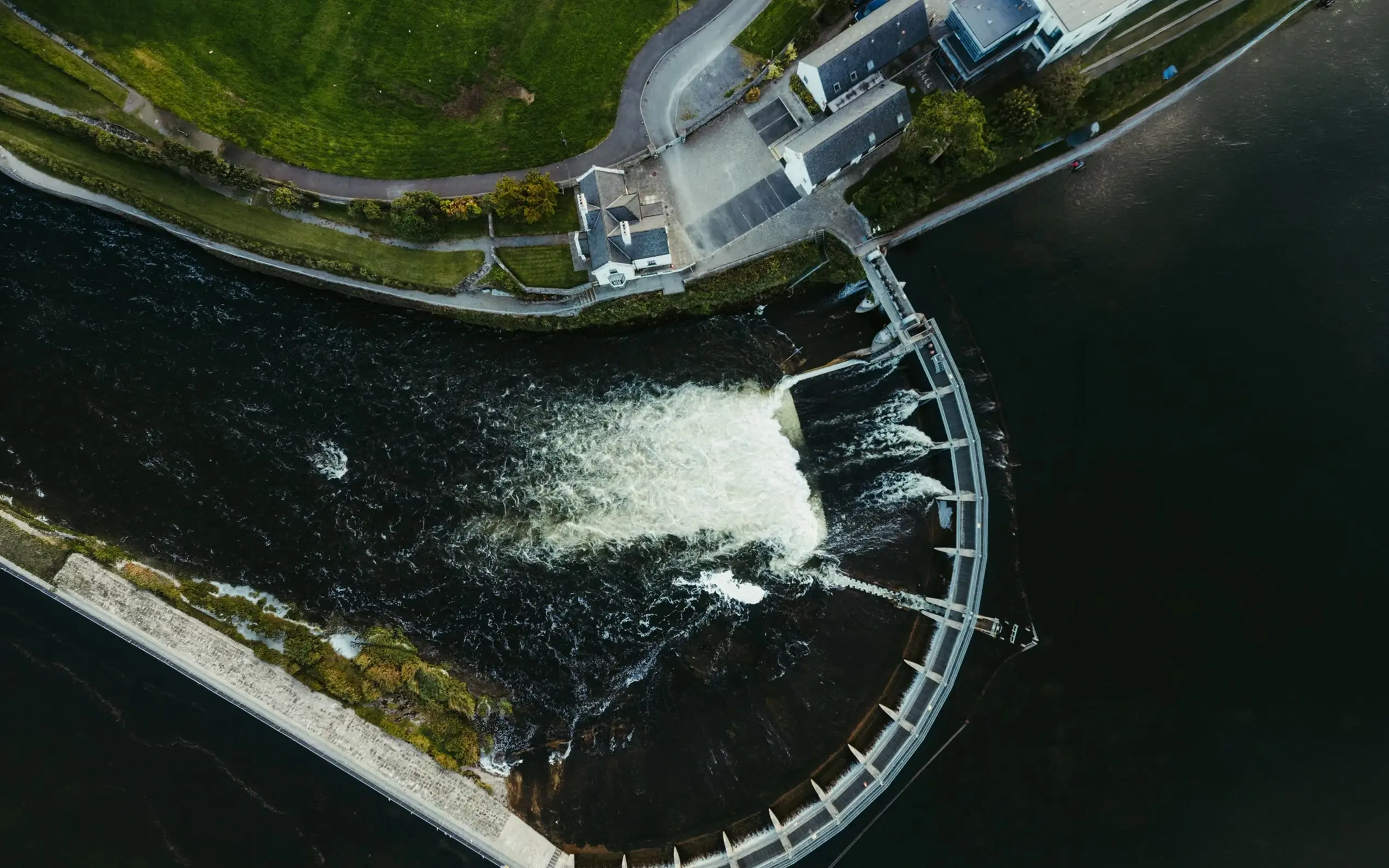
Advanced treatment solutions for industrial water, process wastewater, high-strength effluents, water reuse and Zero Liquid Discharge (ZLD) applications.
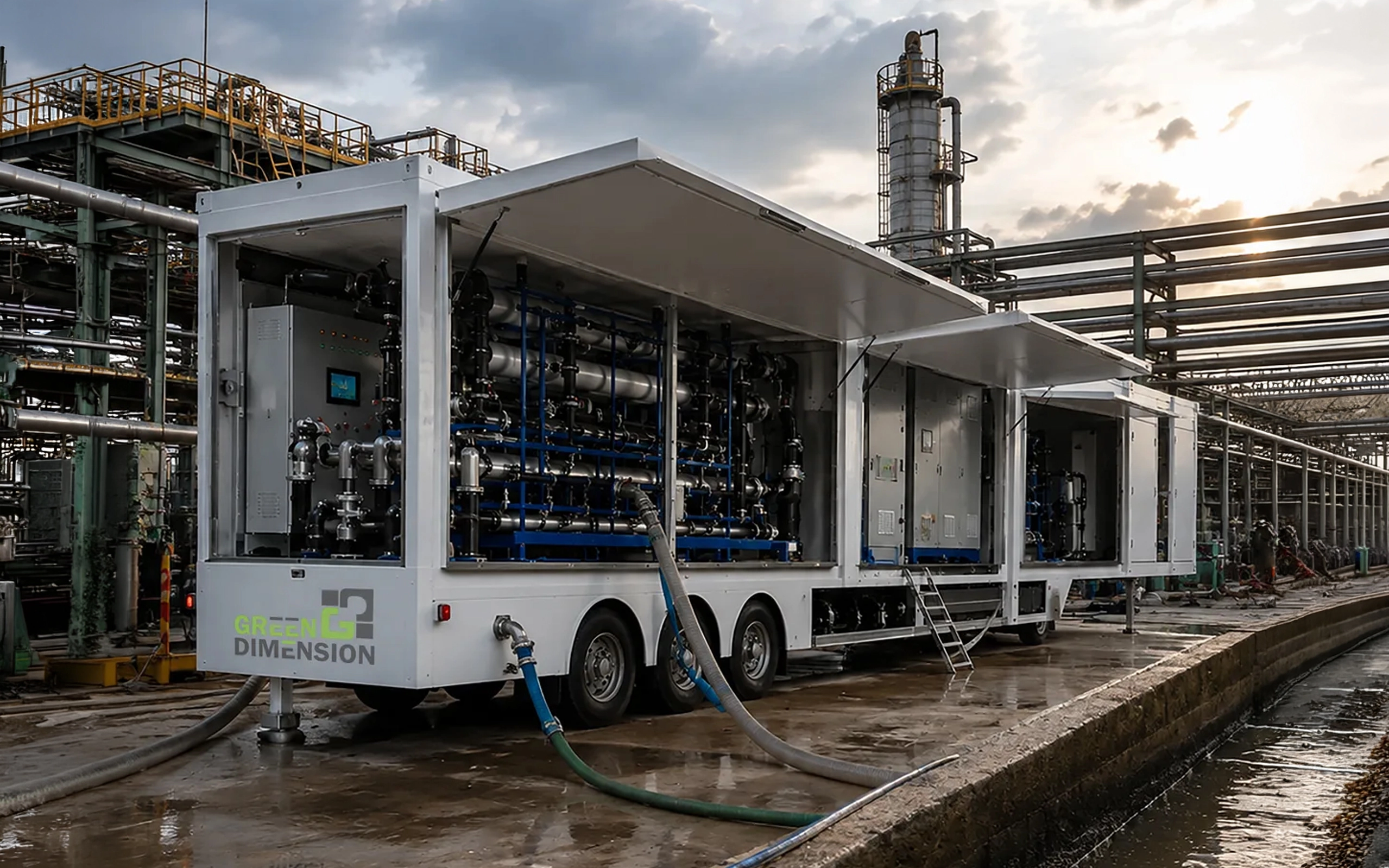
Soltution description two
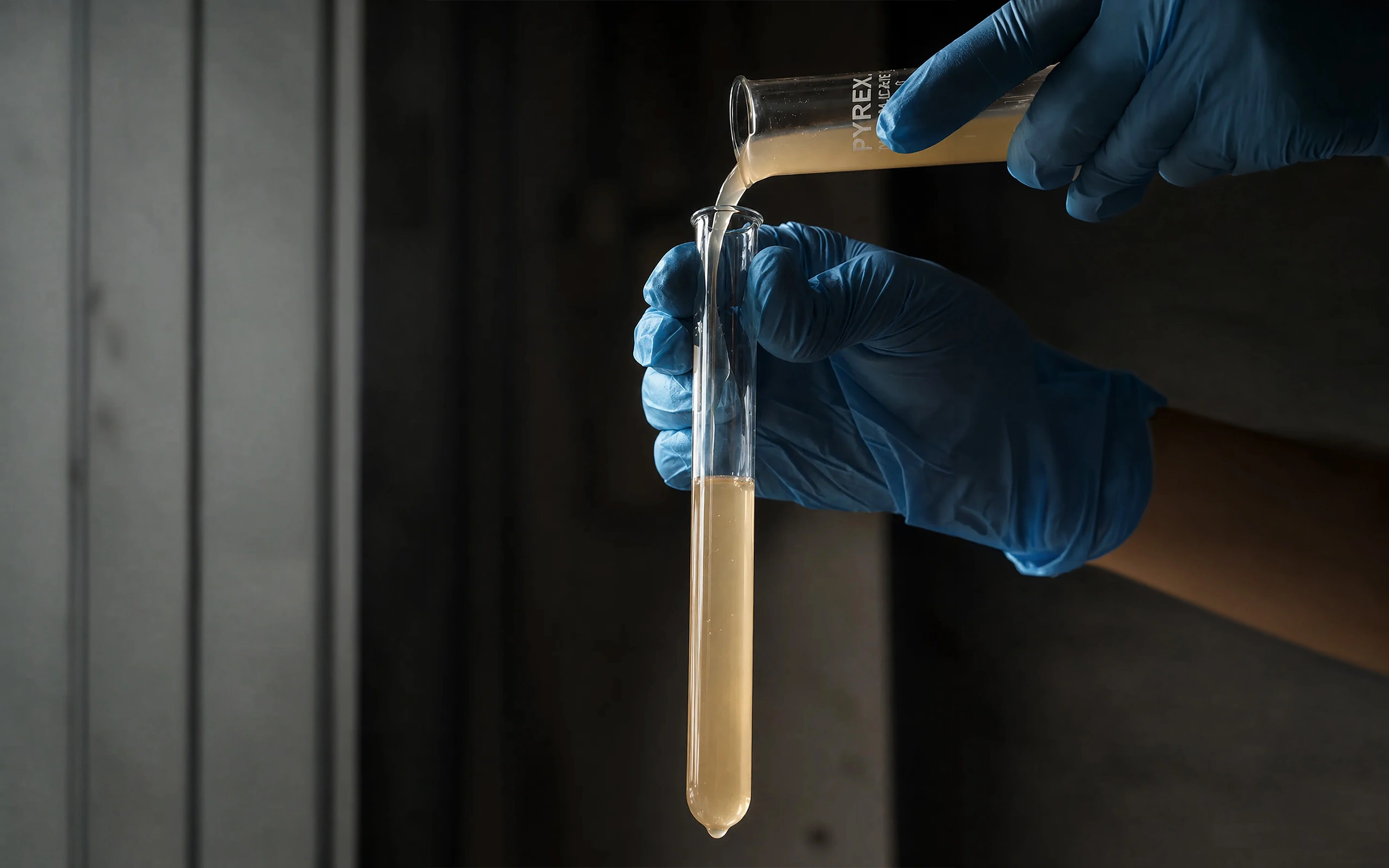
Specialist treatment of industrial liquid wastes, sludges, oily residues and complex process streams through advanced physical, chemical and biological processes.

Assessment, rehabilitation, optimization, upgrades, commissioning and operational support for ageing and underperforming water and wastewater treatment plants.

Assessment, containment and remediation of contaminated land, groundwater and industrial sites to restore environmental quality and regulatory compliance.
A reliable industrial wastewater treatment system starts with representative water analysis and a defined treatment objective. Green Dimension evaluates hydraulic loading, COD and BOD, oil and grease, suspended solids, salinity, metals, nutrients, colour, odour, pathogens and hard-to-degrade compounds before selecting the process train.
Depending on the application, a system may combine physical separation, electrocoagulation, advanced oxidation, biological treatment, filtration, membrane desalination, sludge dewatering, thermal treatment and resource recovery. The objective may be compliant discharge, process-water reuse, zero-liquid-discharge support, reduced waste volume or recovery of valuable materials.
Integrated environmental services supporting safer, cleaner, and more sustainable operations across Saudi Arabia.
There is no universal best technology. The correct process depends on wastewater composition, flow variation, discharge or reuse targets, available space, energy use, chemical consumption and sludge-management requirements. Treatability testing is often the fastest way to confirm an effective process combination.
Yes. Modular, skid-mounted and containerised systems can reduce civil work and accelerate deployment for industrial sites, remote facilities, pilot projects, temporary treatment and phased capacity expansion.
Reuse is possible when the treatment train is designed for the intended application. Typical reuse goals include washing, cooling, boiler-feed pretreatment, irrigation where permitted, process water and further membrane polishing.
Testing verifies contaminant removal, chemical and energy demand, sludge generation, membrane compatibility and achievable effluent quality before full-scale investment. It also reduces process risk for complex or variable industrial wastewater.
Share your wastewater characteristics, capacity and target water quality with Green Dimension’s environmental engineering team.